Vision

The Community Conservation Lab (CCL) envisions a world where cultural landscapes are valued and maintained through empowered communities. Through training and capacity building, CCL aims to protect and enhance cultural heritage while generating revenue opportunities. It strives to be a leading institute in skill development, design innovation, and marketing, enabling communities in the Hindu Kush Himalaya region and beyond to adapt traditional crafts and practices to modern contexts. Through collaborative conservation efforts, CCL seeks to balance human, ecological, and cultural relationships, ensuring the vitality of heritage for future generations.
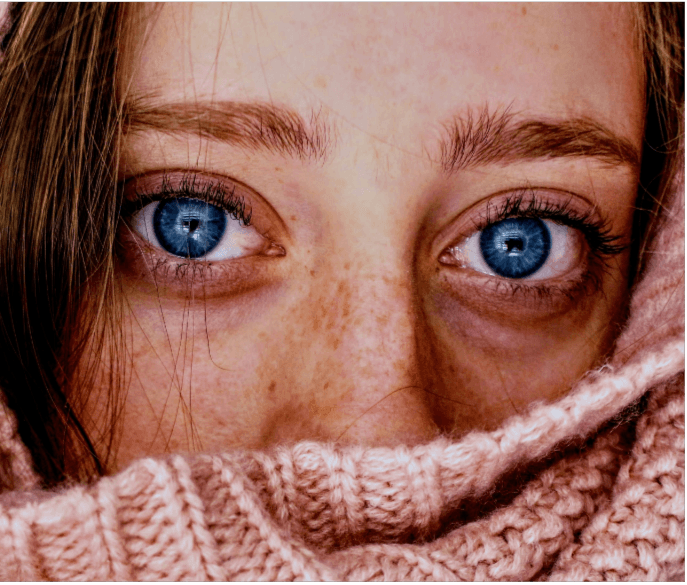
Vision of Community Conservation Lab

Mission

The Community Conservation Lab (CCL) envisions a world where cultural landscapes are valued and maintained through empowered communities. Through training and capacity building, CCL aims to protect and enhance cultural heritage while generating revenue opportunities. It strives to be a leading institute in skill development, design innovation, and marketing, enabling communities in the Hindu Kush Himalaya region and beyond to adapt traditional crafts and practices to modern contexts. Through collaborative conservation efforts, CCL seeks to balance human, ecological, and cultural relationships, ensuring the vitality of heritage for future generations.
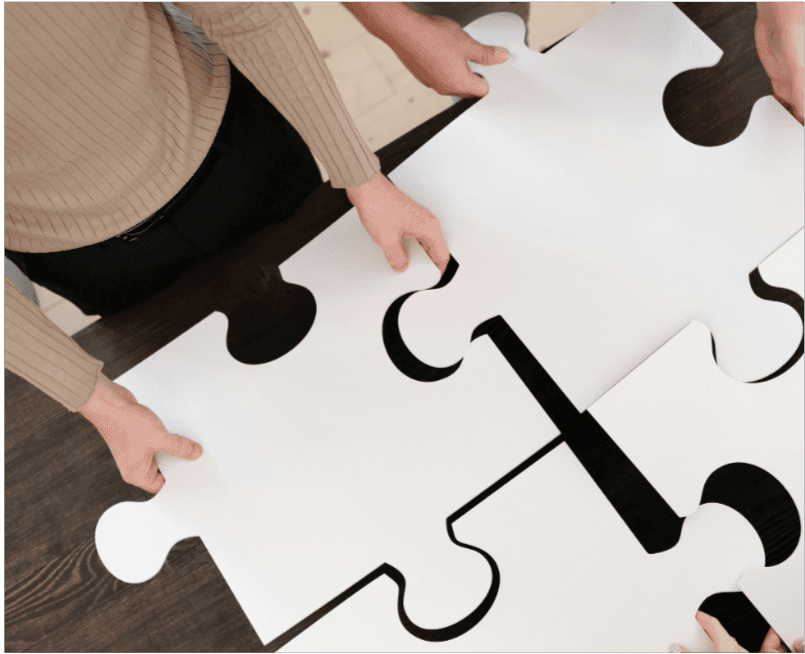
Mission of Community Conservation Lab

Our Values

Artefact

CCL’s work spans material and immaterial heritage in its ecological context. Artefacts include practices, stories, techniques, skills, buildings, crafts, and objects. Conservation involves preserving tangible items like artworks or structures and safeguarding intangible heritage such as traditions. Our approach considers artefacts’ relationships with human, non-human, and spiritual entities while acknowledging their role in natural ecology.

Practice

CCL collaborates with local communities and landscapes throughout the conservation process, from selecting artefacts to determining methods like documentation, condition assessment, and upkeep. By integrating scientific and traditional techniques, we encourage mutual learning about materials, risks, and sustainability.

Knowledge

Knowledge: CCL values diverse knowledge systems, blending scientific inquiry with local wisdom. Observational, experimental, empirical, and experiential methods enrich our understanding of artefacts, ensuring a holistic approach to conservation that respects global standards and local contexts.

Decor Top RightDecor Bottom Left

Annual Objectives

Training and Capacity Building

Revenue Generations Initiatives

Knowledge Development and Sharing

Heritage Conversation Projects

Community Engagement

Sustainability and Impact Assessment